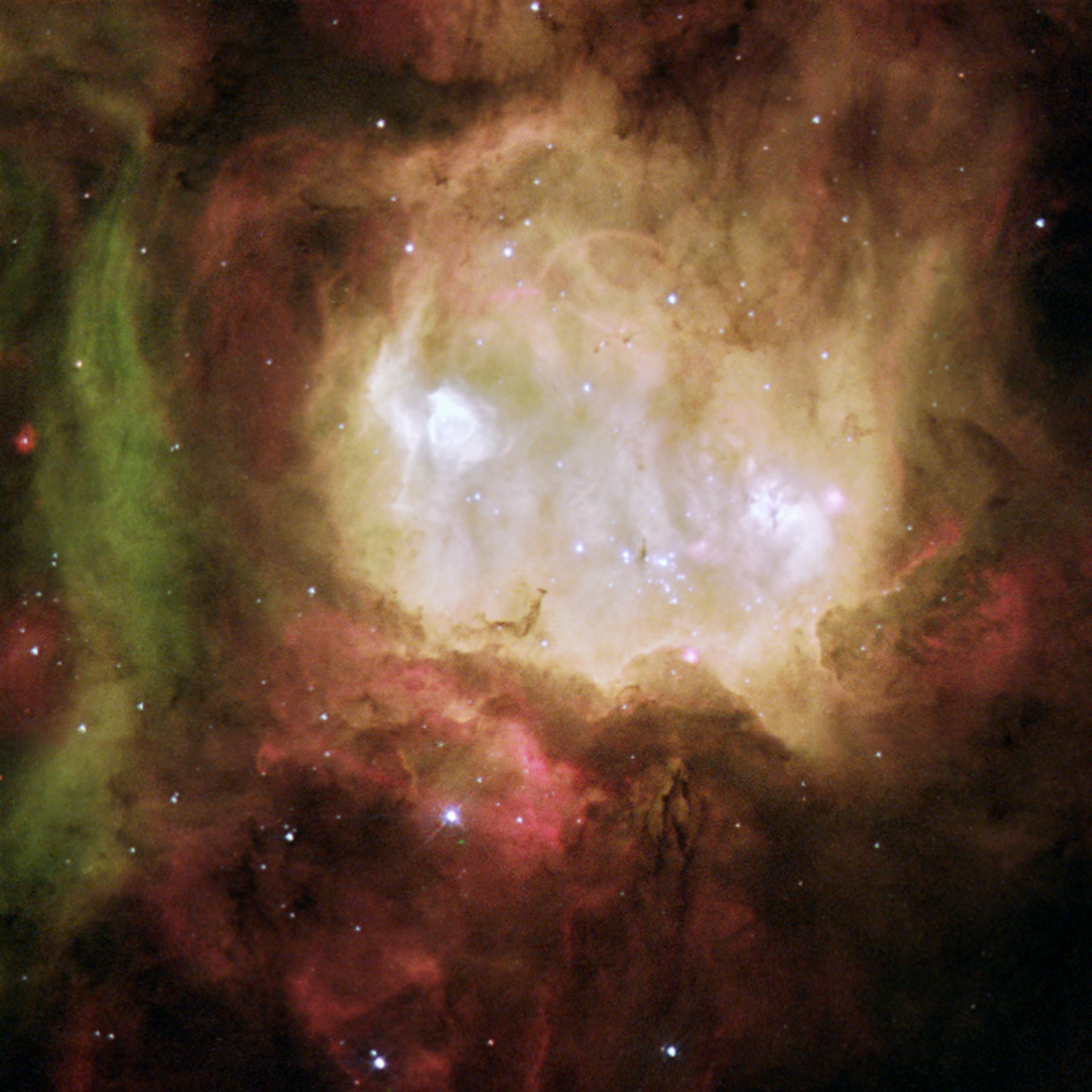
One of my favorite sites on the web, a new picture posted each day. Might be a nebula, a galaxy, or something closer to Earth. The beauty of this picture is beyond words to describe, they have to be seen. As I have said before, our greatest artists, through out our history create wonderous works of art, that some, thousands of years later still inspire and awe us. And then we have Nature, who is her spare time or as a by product of her workings, creates art that we are do not even have the words to describe.
"The Heavens declare the glory of God; the skies proclaim the work of His hands."
Psalm 19:1
ASTRONOMY PICTURE OF THE DAY
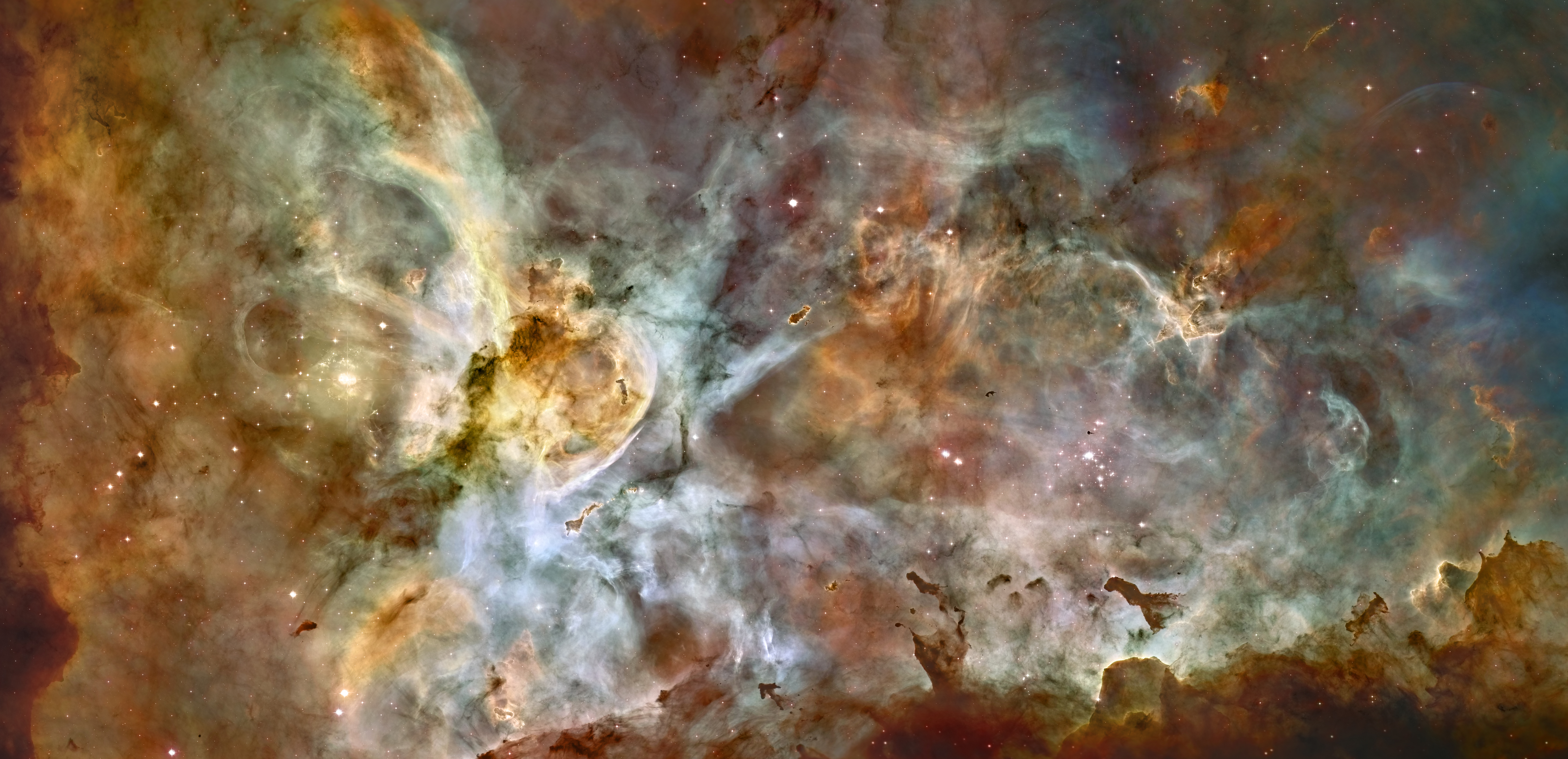
Dark Clouds of the Carina Nebula
Credit: NASA, ESA, N. Smith (Univ. of Calif. -Berkeley), and the Hubble Space Heritage team
Explanation: What dark forms lurk in the mists of the Carina Nebula? These ominous figures are actually molecular clouds, knots of molecular gas and dust, so thick they have become opaque. In comparison, however, these clouds are typically much less dense than Earth's atmosphere. Pictured above is part of the most detailed image of the Carina Nebula ever taken, a part where dark molecular clouds are particularly prominent. The entire Carina Nebula spans over 300 Light Years, and lies about 7,500 light-years away in the constellation of Carina. NGC 3372, known as the Great Nebula in Carina, is home to massive stars and changing nebula. Eta Carinae, the most energetic star in the nebula, was one of the brightest stars in the sky in the 1830s, but then faded dramaticaly.
********

If you would like to add Astronomy Picture Of The Day, a new picture each and every day, and a wonderful archive to search through, to your favorites and share in the beauty, the APOD home page address follows:
http://antwrp.gsfc.nasa.gov/apod/